


ISOLATOR Cam
Hex (Fits ISOLATOR new internal shaft)
$249.00
Skip to product information


ISOLATOR Cam
$249.00
Insured Shipping
One Year Structural Warranty
30 Day Money Back Guarantee
ISOLATOR CAM OPTIONS

Sale
ISOLATOR CAM: VOLTRA OR COMPATIBLE CABLE SYSTEM ADD-ON
ISOLATOR CAM: VOLTRA OR COMPATIBLE CABLE SYSTEM ADD-ON

The Isolator Cam is a precision-engineered, compact cam system designed for lifters who prioritize control, isolation, and integrated functionality. Built into your Isolator unit without sacrificing any existing capabilities, it delivers smooth, controlled resistance through a refined lever design that works perfectly for moderate-to-lighter resistance setups.
This is the product that took years to perfect—not because building a cam is difficult, but because making one that actually works for everyone required thoughtful engineering. The Isolator Cam solves the problem of leverage-based resistance inconsistency by offering a lightweight, mobile alternative to oversized cam systems that can overpower isolation movements.
Smart Integration
Replaces the outer hex port while leaving it fully usable for IsoArms and other attachments. No loss of functionality.
Lightweight & Mobile
Stays permanently installed without weighing down your unit. Unlike larger cam systems, it doesn't need removal when repositioning.
Built for Isolation
Compact design creates smoother, more controlled resistance—ideal for preacher curls, tricep extensions, lateral raises, and precision movements.
Flexible Cable Attachment
Choose quick pin connection, direct bolt, or carabiner-based setups. Full control over your configuration.
The Isolator Cam is ideal for users with adequate weight availability, 1:1 systems, and lifters who value control over raw leverage output.
The Isolator Cam exists because oversized cam systems force a compromise: they work for heavy loading but overpower isolation movements. The Isolator Cam flips this logic—it's engineered specifically for control, making it the right choice when you already have sufficient weight available but need precision resistance.
Never Needs Removal
Unlike larger cam systems, the compact design stays installed permanently. It won't weigh you down when repositioning your unit or moving between exercises.
Built for Isolation, Not Max Effort
Laser-cut and welded for precision. The compact lever creates smoother, more controlled resistance—perfect for preacher curls, tricep extensions, and lateral raises where too much leverage ruins the movement.
Zero Function Loss
Integrates into the hex port system without eliminating it. Your IsoArms and other attachments work exactly as before.
True System Integration
Feels like it was always part of the Isolator. No awkward bolt-on feel—it's a refined, seamless component that respects your existing setup.
The Isolator Cam prioritizes user control and movement quality over raw leverage output—this is the difference between equipment that works with you versus equipment that overpowers your intent.
- Laser-Cut & Welded Construction: Precision-engineered with aesthetic detailing and structural durability. Designed to feel like an integral part of the Isolator system, not an afterthought accessory.
- Compact Lever Design: Approximately half the length of the full lever arm, creating controlled, progressive resistance without overwhelming isolation movements or requiring removal when repositioning.
- Flexible Cable Attachment Options: Choose between quick pin connection for instant attachment/removal, direct bolt for permanent setups, or carabiner-based configurations for fast movement swaps.
- Fully Integrated Hex Port System: Replaces the outer hex port while keeping it fully functional for IsoArms and other attachments. No sacrifice of existing functionality or versatility.
- Guide Pulley Bracket Compatibility: Compact size allows guide pulley brackets to mount directly to the unit, enabling self-contained setups ideal for home gyms and multi-user environments without system rebuilding between adjustments.
The Isolator Cam delivers controlled, progressive resistance through its compact lever design. The biomechanical advantage comes from understanding felt resistance—how your body perceives load based on distance from the cam's rim and lever mechanics.
Lever Mechanics
The cam is approximately half the length of the full lever arm. The farther your point of force application is from the cam's rim, the more leverage you create and the lighter the resistance feels. This prevents overshooting in isolation movements.
Felt Resistance in Practice
In movements like leg extensions where your force point is farther away, you may feel approximately 50% or less of actual load. This is by design—it creates smoother, more controlled resistance curves ideal for isolation work.
Movement-Specific Control
The compact design excels in preacher curls, tricep extensions, and lateral raises where excessive leverage would compromise form. You get meaningful resistance without the risk of the equipment overpowering the target muscle group.
Progressive Loading
The cam system provides consistent, progressive resistance throughout the range of motion without the binding or jerky transitions common in plate-loaded systems. This supports smooth, controlled movement patterns.
The Isolator Cam is engineered for movement quality and muscle isolation, not maximum leverage output. If you don't have adequate weight available, this cam may not feel heavy enough for your needs.
Isolator Cam
- Best for: 1:1 systems, moderate-to-lower resistance, isolation and controlled movements
- Lever Length: Compact—approximately half the full lever arm
- Feel: Smooth, progressive, controlled resistance without overwhelming lighter movements
- Portability: Lightweight and stays installed; no need for removal when repositioning
- Who should choose it: Users with adequate weight available, lifters prioritizing control over leverage output, home gym owners and multi-user setups
Crossbow Cam
- Best for: 2:1 cable systems, heavy plate-loaded setups, max-effort movements
- Lever Length: Larger radius for maximum resistance output
- Feel: Built to handle heavy loading and leverage amplification
- Portability: Often needs removal when repositioning due to larger size
- Who should choose it: Users running 2:1 ratios, lifters feeling limited by available load, those prioritizing raw resistance over integration
The Isolator Cam is designed as a seamless integration into the Isolator system. It works within the existing hex port architecture while maintaining full compatibility with all current attachments and configurations.
- Works with: Isolator units (all generations), 1:1 cable systems, IsoArms and other hex port attachments, guide pulley brackets, quick pin and carabiner-based setups
- Hex Port Remains Functional: The cam replaces the outer hex port but doesn't eliminate it—you can still plug in your IsoArms and other attachments without any loss of functionality
- Not Recommended for: 2:1 cable ratio systems (consider the Crossbow Cam instead for maximum leverage output), setups with limited weight availability where leverage amplification is needed
Important: The Isolator Cam is optimized for moderate-to-lower resistance setups and 1:1 systems. If you're running a 2:1 cable ratio or feel limited by available load, the Crossbow Cam is the better choice.
- Cam Type: Compact lever-based cam system
- Lever Length: Approximately 50% of full lever arm
- Construction: Laser-cut steel with welded joints for strength and durability
- Integration Method: Integrates into existing Isolator hex port system without eliminating hex port functionality
- Weight Impact: Lightweight—designed to stay permanently installed without weighing down the unit
- Cable Attachment Options: Quick pin connection, direct bolt connection, or carabiner-based setups
- Compatibility: Designed for 1:1 cable systems and moderate-to-lower resistance setups; not recommended for 2:1 cable ratios
- Ideal for: Isolation movements, controlled rep ranges, and clean integrated setups
The Isolator Cam represents refined precision engineering—compact enough to stay installed, strong enough to deliver consistent resistance, and versatile enough to adapt to your preferred cable attachment method.
What's the difference between the Isolator Cam and the Crossbow Cam?
The Isolator Cam is compact and lightweight—ideal for 1:1 systems, moderate-to-lower resistance, and isolation movements where control matters more than leverage output. The Crossbow Cam has a larger radius, delivers maximum resistance output, and is built for 2:1 cable systems and heavy plate-loaded setups. Choose the Isolator Cam if you have adequate weight available and prioritize smooth, controlled movement. Choose the Crossbow Cam if you run a 2:1 ratio or feel limited by available load.
Will the Isolator Cam interfere with my IsoArms or other hex port attachments?
No. The cam replaces the outer hex port but leaves it fully usable. You can still plug in your IsoArms and other attachments without any loss of functionality. There's zero compromise on system versatility.
Do I need to remove the Isolator Cam when moving or repositioning my unit?
No. Unlike larger cam systems, the Isolator Cam is lightweight and compact enough to stay permanently installed. It won't weigh down your unit or create friction when repositioning. Leave it on and train whenever you want.
What does "felt resistance" mean, and why might the weight feel lighter than expected?
Felt resistance refers to how heavy the load feels to your body based on lever mechanics. The Isolator Cam is approximately half the length of the full lever arm. In movements where your force point is far from the cam's rim (like leg extensions), you create more leverage, so 50 lbs might feel like 25 lbs or less. This is by design—it creates smoother, more controlled resistance for isolation work. However, if you don't have adequate weight available, the cam may not feel heavy enough for your needs.
Which cable attachment method should I choose—quick pin, direct bolt, or carabiner?
It depends on your training preference. Quick pin connection is fastest for swapping between exercises. Direct bolt is more permanent and ideal if you'll use the cam in one setup for extended periods. Carabiner-based setups offer fast swaps without tools. You have full control—choose the method that matches your workflow.
Is the Isolator Cam a good choice for heavy, max-effort training?
Not necessarily. The Isolator Cam is optimized for isolation and controlled movement, not raw leverage output. If you run a 2:1 cable system, use heavy plate loading, or frequently hit max effort, the Crossbow Cam will serve you better. The Isolator Cam shines for preacher curls, tricep extensions, lateral raises, and movements where control is as important as resistance.
ISOLATOR Cam (CAM ONLY) Hex
Box dimensions: 17.5" L × 17.9" W × 8" H
Metric: 44.5 cm L × 45.3 cm W × 20.3 cm H
Shipping weight: 14.1 lb (6.4 kg)
Overview
The Isolator Cam is a precision-engineered, compact cam system designed for lifters who prioritize control, isolation, and integrated functionality. Built into your Isolator unit without sacrificing any existing capabilities, it delivers smooth, controlled resistance through a refined lever design that works perfectly for moderate-to-lighter resistance setups.
This is the product that took years to perfect—not because building a cam is difficult, but because making one that actually works for everyone required thoughtful engineering. The Isolator Cam solves the problem of leverage-based resistance inconsistency by offering a lightweight, mobile alternative to oversized cam systems that can overpower isolation movements.
Smart Integration
Replaces the outer hex port while leaving it fully usable for IsoArms and other attachments. No loss of functionality.
Lightweight & Mobile
Stays permanently installed without weighing down your unit. Unlike larger cam systems, it doesn't need removal when repositioning.
Built for Isolation
Compact design creates smoother, more controlled resistance—ideal for preacher curls, tricep extensions, lateral raises, and precision movements.
Flexible Cable Attachment
Choose quick pin connection, direct bolt, or carabiner-based setups. Full control over your configuration.
The Isolator Cam is ideal for users with adequate weight availability, 1:1 systems, and lifters who value control over raw leverage output.
Why It's Better
The Isolator Cam exists because oversized cam systems force a compromise: they work for heavy loading but overpower isolation movements. The Isolator Cam flips this logic—it's engineered specifically for control, making it the right choice when you already have sufficient weight available but need precision resistance.
Never Needs Removal
Unlike larger cam systems, the compact design stays installed permanently. It won't weigh you down when repositioning your unit or moving between exercises.
Built for Isolation, Not Max Effort
Laser-cut and welded for precision. The compact lever creates smoother, more controlled resistance—perfect for preacher curls, tricep extensions, and lateral raises where too much leverage ruins the movement.
Zero Function Loss
Integrates into the hex port system without eliminating it. Your IsoArms and other attachments work exactly as before.
True System Integration
Feels like it was always part of the Isolator. No awkward bolt-on feel—it's a refined, seamless component that respects your existing setup.
The Isolator Cam prioritizes user control and movement quality over raw leverage output—this is the difference between equipment that works with you versus equipment that overpowers your intent.
Features
- Laser-Cut & Welded Construction: Precision-engineered with aesthetic detailing and structural durability. Designed to feel like an integral part of the Isolator system, not an afterthought accessory.
- Compact Lever Design: Approximately half the length of the full lever arm, creating controlled, progressive resistance without overwhelming isolation movements or requiring removal when repositioning.
- Flexible Cable Attachment Options: Choose between quick pin connection for instant attachment/removal, direct bolt for permanent setups, or carabiner-based configurations for fast movement swaps.
- Fully Integrated Hex Port System: Replaces the outer hex port while keeping it fully functional for IsoArms and other attachments. No sacrifice of existing functionality or versatility.
- Guide Pulley Bracket Compatibility: Compact size allows guide pulley brackets to mount directly to the unit, enabling self-contained setups ideal for home gyms and multi-user environments without system rebuilding between adjustments.
Biomechanics
The Isolator Cam delivers controlled, progressive resistance through its compact lever design. The biomechanical advantage comes from understanding felt resistance—how your body perceives load based on distance from the cam's rim and lever mechanics.
Lever Mechanics
The cam is approximately half the length of the full lever arm. The farther your point of force application is from the cam's rim, the more leverage you create and the lighter the resistance feels. This prevents overshooting in isolation movements.
Felt Resistance in Practice
In movements like leg extensions where your force point is farther away, you may feel approximately 50% or less of actual load. This is by design—it creates smoother, more controlled resistance curves ideal for isolation work.
Movement-Specific Control
The compact design excels in preacher curls, tricep extensions, and lateral raises where excessive leverage would compromise form. You get meaningful resistance without the risk of the equipment overpowering the target muscle group.
Progressive Loading
The cam system provides consistent, progressive resistance throughout the range of motion without the binding or jerky transitions common in plate-loaded systems. This supports smooth, controlled movement patterns.
The Isolator Cam is engineered for movement quality and muscle isolation, not maximum leverage output. If you don't have adequate weight available, this cam may not feel heavy enough for your needs.
Comparisons
Isolator Cam
- Best for: 1:1 systems, moderate-to-lower resistance, isolation and controlled movements
- Lever Length: Compact—approximately half the full lever arm
- Feel: Smooth, progressive, controlled resistance without overwhelming lighter movements
- Portability: Lightweight and stays installed; no need for removal when repositioning
- Who should choose it: Users with adequate weight available, lifters prioritizing control over leverage output, home gym owners and multi-user setups
Crossbow Cam
- Best for: 2:1 cable systems, heavy plate-loaded setups, max-effort movements
- Lever Length: Larger radius for maximum resistance output
- Feel: Built to handle heavy loading and leverage amplification
- Portability: Often needs removal when repositioning due to larger size
- Who should choose it: Users running 2:1 ratios, lifters feeling limited by available load, those prioritizing raw resistance over integration
Compatibility
The Isolator Cam is designed as a seamless integration into the Isolator system. It works within the existing hex port architecture while maintaining full compatibility with all current attachments and configurations.
- Works with: Isolator units (all generations), 1:1 cable systems, IsoArms and other hex port attachments, guide pulley brackets, quick pin and carabiner-based setups
- Hex Port Remains Functional: The cam replaces the outer hex port but doesn't eliminate it—you can still plug in your IsoArms and other attachments without any loss of functionality
- Not Recommended for: 2:1 cable ratio systems (consider the Crossbow Cam instead for maximum leverage output), setups with limited weight availability where leverage amplification is needed
Important: The Isolator Cam is optimized for moderate-to-lower resistance setups and 1:1 systems. If you're running a 2:1 cable ratio or feel limited by available load, the Crossbow Cam is the better choice.
Specifications
- Cam Type: Compact lever-based cam system
- Lever Length: Approximately 50% of full lever arm
- Construction: Laser-cut steel with welded joints for strength and durability
- Integration Method: Integrates into existing Isolator hex port system without eliminating hex port functionality
- Weight Impact: Lightweight—designed to stay permanently installed without weighing down the unit
- Cable Attachment Options: Quick pin connection, direct bolt connection, or carabiner-based setups
- Compatibility: Designed for 1:1 cable systems and moderate-to-lower resistance setups; not recommended for 2:1 cable ratios
- Ideal for: Isolation movements, controlled rep ranges, and clean integrated setups
The Isolator Cam represents refined precision engineering—compact enough to stay installed, strong enough to deliver consistent resistance, and versatile enough to adapt to your preferred cable attachment method.
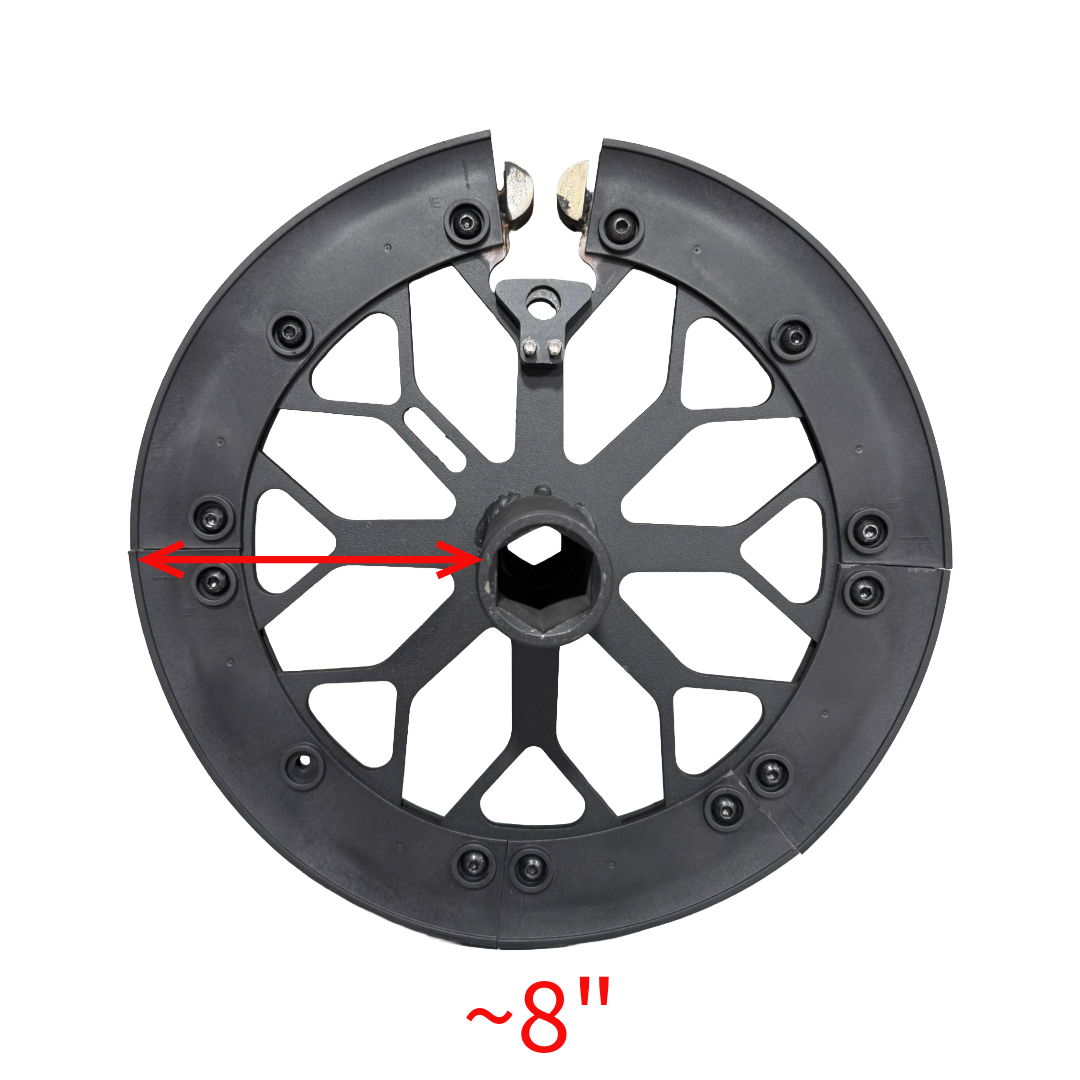
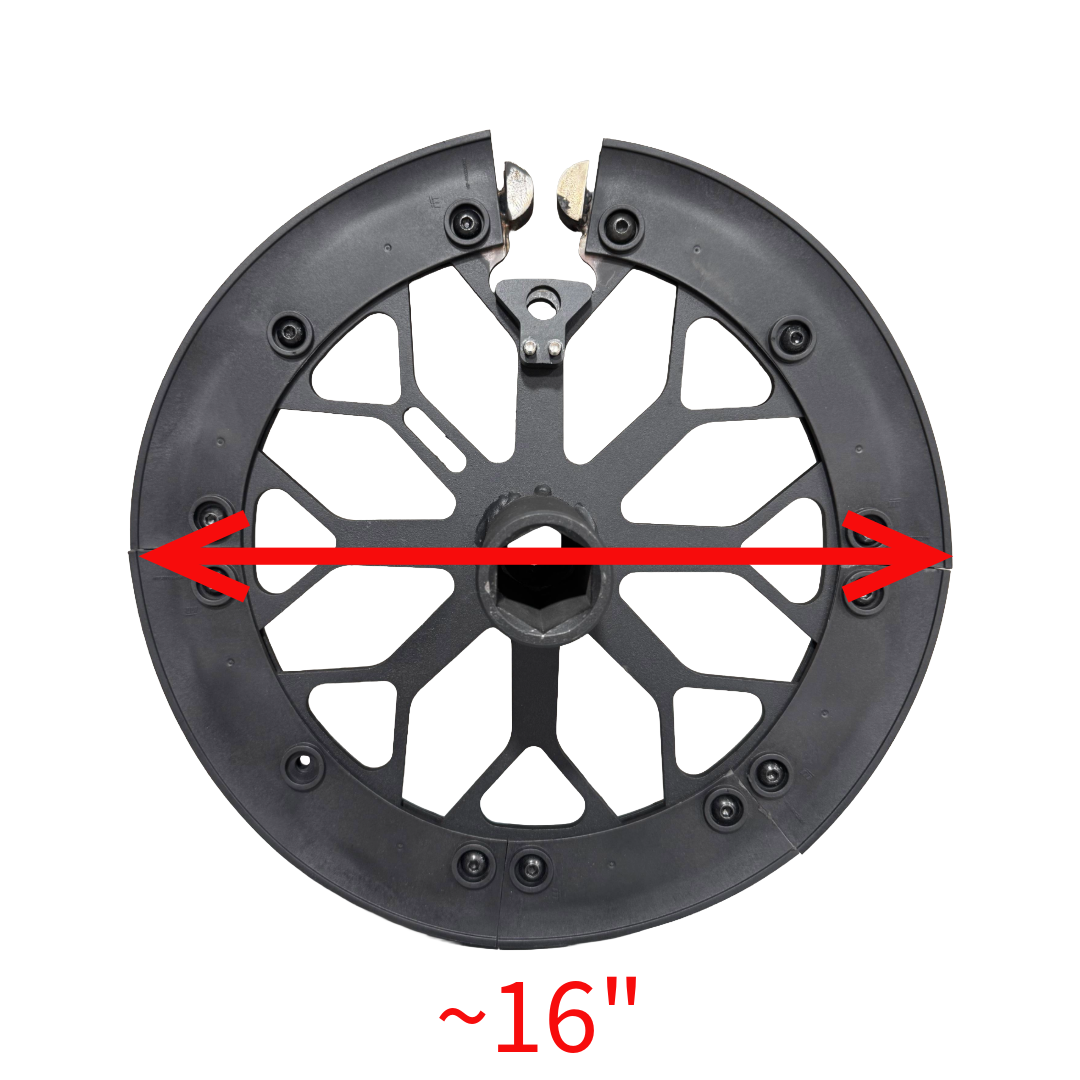
Measurements
Product FAQs
What's the difference between the Isolator Cam and the Crossbow Cam?
The Isolator Cam is compact and lightweight—ideal for 1:1 systems, moderate-to-lower resistance, and isolation movements where control matters more than leverage output. The Crossbow Cam has a larger radius, delivers maximum resistance output, and is built for 2:1 cable systems and heavy plate-loaded setups. Choose the Isolator Cam if you have adequate weight available and prioritize smooth, controlled movement. Choose the Crossbow Cam if you run a 2:1 ratio or feel limited by available load.
Will the Isolator Cam interfere with my IsoArms or other hex port attachments?
No. The cam replaces the outer hex port but leaves it fully usable. You can still plug in your IsoArms and other attachments without any loss of functionality. There's zero compromise on system versatility.
Do I need to remove the Isolator Cam when moving or repositioning my unit?
No. Unlike larger cam systems, the Isolator Cam is lightweight and compact enough to stay permanently installed. It won't weigh down your unit or create friction when repositioning. Leave it on and train whenever you want.
What does "felt resistance" mean, and why might the weight feel lighter than expected?
Felt resistance refers to how heavy the load feels to your body based on lever mechanics. The Isolator Cam is approximately half the length of the full lever arm. In movements where your force point is far from the cam's rim (like leg extensions), you create more leverage, so 50 lbs might feel like 25 lbs or less. This is by design—it creates smoother, more controlled resistance for isolation work. However, if you don't have adequate weight available, the cam may not feel heavy enough for your needs.
Which cable attachment method should I choose—quick pin, direct bolt, or carabiner?
It depends on your training preference. Quick pin connection is fastest for swapping between exercises. Direct bolt is more permanent and ideal if you'll use the cam in one setup for extended periods. Carabiner-based setups offer fast swaps without tools. You have full control—choose the method that matches your workflow.
Is the Isolator Cam a good choice for heavy, max-effort training?
Not necessarily. The Isolator Cam is optimized for isolation and controlled movement, not raw leverage output. If you run a 2:1 cable system, use heavy plate loading, or frequently hit max effort, the Crossbow Cam will serve you better. The Isolator Cam shines for preacher curls, tricep extensions, lateral raises, and movements where control is as important as resistance.
Box Dimensions & Weight
ISOLATOR Cam (CAM ONLY) Hex
Box dimensions: 17.5" L × 17.9" W × 8" H
Metric: 44.5 cm L × 45.3 cm W × 20.3 cm H
Shipping weight: 14.1 lb (6.4 kg)
See It In Action
ISOLATOR CAM WITH COUNTERWEIGHT
ISOLATOR CAM
ISOLATOR CAM HOOKED TO CABLE SYSTEM
ISOLATOR CAM VARIABLE RATIO
ISOLATOR CAM WITH ISO ARMS
ISOLATOR CAM MULTI HIP
ISOLATOR CAM STANDING DIP
ISOLATOR CAM
ISOLATOR CAM WITH CROSS MEMBER UPRIGHT
ISOLATOR Cam Works With


Total 5 star reviews: 4 Total 4 star reviews: 0 Total 3 star reviews: 0 Total 2 star reviews: 0 Total 1 star reviews: 0
100%would recommend this product
Slide 1 selected
4 reviews
- SSSam S.Verified BuyerRated 5 out of 5 stars2 months agoBest addition to the isolator.
This attachment is the reason I bought the bulletproof isolator. I wanted something to attach to my Bells of steel cable tower that would a gym like cam feel. I only use the isolator with this cam now. I recommend purchasing the pulley systems to make this a 1:2 ratio if you lift heavy. The feel is great and with all the adjustability of the isolator I can set this up better for me than most pieces at the gym. I cannot recommend this piece enough.
- LFLandon F.Verified BuyerRated 5 out of 5 stars1 month agoTransformative
I have always loved my isolator, but the cam takes it to a new level. Not only does it make the resistance curve nice and consistent, but it makes switching between exercises quick and easy. Total genius. 10/10.
- AZAlex Z.Verified BuyerRated 5 out of 5 stars1 month agoAwesome
If you are looking for taking advantage of the isolator ... This is the purchase for you!
- TSTrace S.Verified BuyerRated 5 out of 5 stars2 months agoAbsolutely best upgrade to the isolator
This is hands down the best upgrade to the isolator. Turns it into a fully functional machine that can replace so many machines. Absolute love it.